
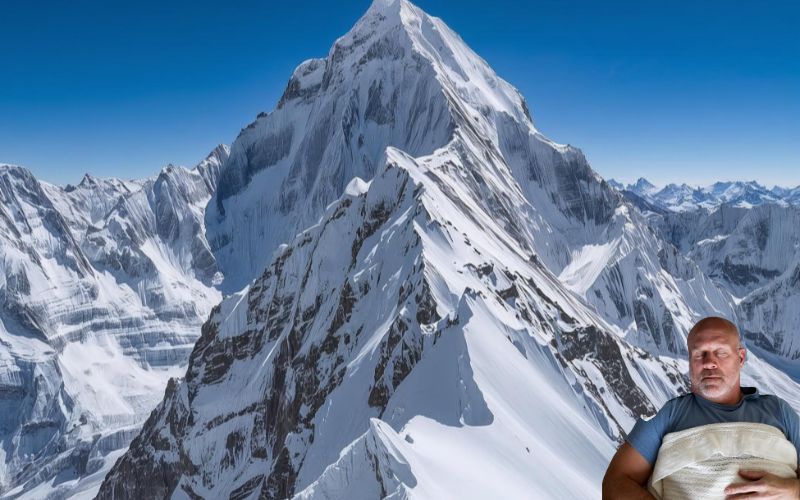
The phrase “Everest Sleeping Beauty” occasionally appears online in discussions about Mount Everest, often sparking curiosity and confusion. It sounds poetic, even gentle—but the reality behind the term is far more grounded and serious. This article explains what the phrase means, where it comes from, and why context and respect matter when talking about Everest-related stories.
What Does Everest Sleeping Beauty Mean?
“Everest Sleeping Beauty” is not an official name, historical title, or mountaineering term. It’s an informal internet phrase sometimes used to describe how a deceased climber may appear at extreme altitude—motionless, preserved by cold, and seemingly at rest due to the environment.
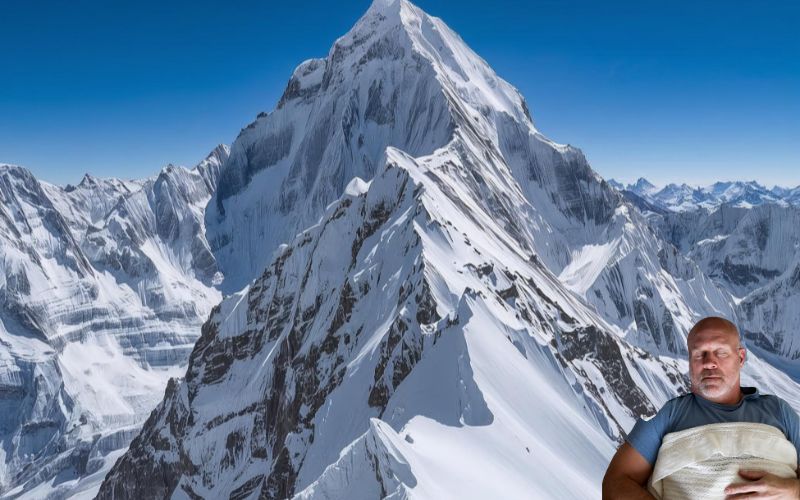
The wording can be misleading. It does not imply peace, beauty, or romance. Instead, it reflects how extreme cold, low oxygen, and altitude can alter how the human body looks on the mountain.
Why the Term Sleeping Beauty Exists
The phrase “Sleeping Beauty” appears in some Everest-related stories because extreme cold at very high altitude can slow natural decomposition, sometimes preserving the outward appearance of clothing and posture. In rare cases, this can give a false impression of rest or stillness, especially when viewed briefly or from a distance.
The term also reflects how internet culture favors dramatic or poetic labels. Once a phrase like this appears in a blog post, video, or social media caption, it often spreads without explanation or context.
Importantly, this term does not reflect reality and is discouraged by the mountaineering community, which generally prefers neutral, factual language.
Where Such Stories Come From on Everest
Most stories associated with terms like “Sleeping Beauty” originate from conditions on Mount Everest at extreme altitude, particularly in the area known as the Death Zone.
The Death Zone
Above roughly 8,000 meters, oxygen levels are critically low—about one-third of what is available at sea level. At this height, the human body cannot acclimatize, physical strength declines rapidly, and cognitive function is impaired. Movement becomes slow and exhausting, and rescue operations are extremely limited or impossible.
In this environment, decisions are made under severe constraints. Survival priorities focus on living climbers, as attempting recovery or assistance beyond immediate capability can put multiple lives at risk.
Why Visibility Can Occur
Visibility of remains on Everest is influenced by geography and natural conditions rather than intent.
- Popular climbing routes concentrate foot traffic in narrow corridors, increasing the chance that climbers may encounter the same locations repeatedly
- Recovery is often impossible without exposing rescuers to extreme danger
- Weather and snowfall constantly change—snow and ice may conceal remains for years, then later reveal them due to wind, melting, or shifting terrain
These factors explain why visibility can change over time without deliberate action.
Is Sleeping Beauty a Specific Person?
No. There is no single, officially identified individual universally recognized by the nickname “Sleeping Beauty.”
- Online discussions often merge or confuse different incidents
- Details are frequently repeated without firsthand verification
- Many claims rely on unverified sources or anecdotal retellings
As a result, the term lacks historical accuracy and should not be understood as referring to a specific, confirmed individual.
Why Bodies Are Sometimes Not Recovered
On Mount Everest, non-recovery is a result of environmental limits and ethical decision-making—not indifference.
- Rescue risk: At extreme altitude, attempting to move a body can place rescuers in immediate danger. Even small tasks require immense effort, increasing the risk of collapse, frostbite, or fatal error.
- Terrain: Much of Everest consists of steep ice faces, narrow ridges, crevasses, and exposed traverses where secure footing is limited and anchors are scarce.
- Logistics: Severe altitude, limited oxygen, narrow weather windows, and the weight involved make recovery operations unsafe or impossible in many locations.
- Ethics: Decisions prioritize the safety of living climbers. In life-threatening conditions, protecting additional lives takes precedence over recovery efforts.
These outcomes reflect harsh constraints imposed by altitude and terrain, not a lack of care or respect.
Why the Term Is Problematic
The phrase “Sleeping Beauty” is discouraged by the mountaineering community because it misrepresents reality.
- Romanticizes a fatal situation: Poetic language can soften the seriousness of extreme-altitude deaths and obscure the risks involved.
- Strips identity and dignity: Nicknames replace real people and individual histories with vague imagery.
- Encourages clickbait over education: Dramatic labels spread quickly online, often without context or verification.
Guides, climbers, and historians generally prefer neutral, factual language that emphasizes safety, accuracy, and respect for those involved.
What These Stories Actually Teach
Limits of the Human Body
Extreme altitude affects judgment, strength, and survival, even for experienced climbers.
Preparation Over Ambition
Careful planning, experience, and sound decision-making matter far more than the goal of reaching the summit.
Respect for the Mountain and Its People
Every statistic, report, or story represents a real person and real consequences.
Everest Today vs the Past
- Improved weather forecasting and expedition logistics
- Increased regulation and large-scale cleanup efforts
- Despite advances, Everest remains unforgiving—no technology removes the risks of extreme altitude
Final Say
“Everest Sleeping Beauty” is not a fair or accurate label. It’s a term shaped by dramatic storytelling rather than by mountaineering reality. Stories about Mount Everest are best understood with proper context—recognizing the limits of the human body, the severity of extreme altitude, and the ethical decisions climbers are forced to make. Focusing on safety, education, and respect provides far more value than shock-driven narratives.
Frequently Asked Questions (FAQ)
What does “Everest Sleeping Beauty” mean?
It is an unofficial and misleading nickname sometimes used online to describe a deceased climber. It is not accepted or used by the mountaineering community.
Is it a real person with that name?
No. There is no officially recognized individual known by that nickname.
Why do such nicknames spread?
Extreme cold at high altitude can affect appearance, and internet culture amplifies dramatic or poetic framing without sufficient context.
Are bodies still visible on Everest?
In some locations, visibility can change over time due to snow accumulation, ice movement, weather conditions, and occasional recovery efforts.
Why aren’t all the remains recovered?
Because recovery at extreme altitude can be life-threatening to rescuers, due to terrain, oxygen scarcity, weather, and logistical limits.

Leave a Reply