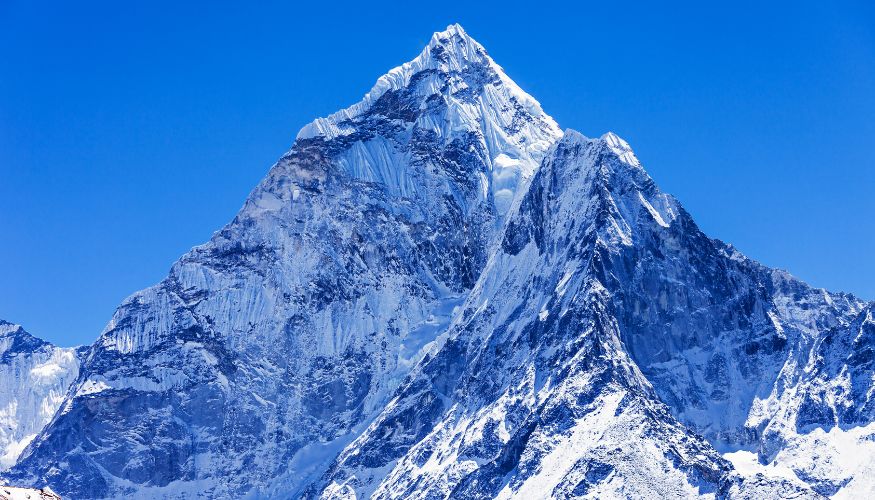
Mount Everest—known globally by its British-assigned name—carries a far deeper identity rooted in millennia of Himalayan culture and spirituality. To the Tibetan people who have lived in its shadow for generations, this 8,848.86-meter giant is Chomolungma, meaning “Goddess Mother of the World.” To the Nepali, it is Sagarmatha, “Forehead of the Sky.” These aren’t mere translations—they represent fundamentally different relationships with the mountain itself.
The story of Everest’s naming reveals the collision between indigenous reverence and colonial cartography. While British surveyors in 1865 named it after Sir George Everest—a man who never laid eyes on the peak—local communities had already woven the mountain into their spiritual cosmology for centuries. It wasn’t a geographic feature to measure and conquer, but a living deity deserving of ritual, prayer, and profound respect.
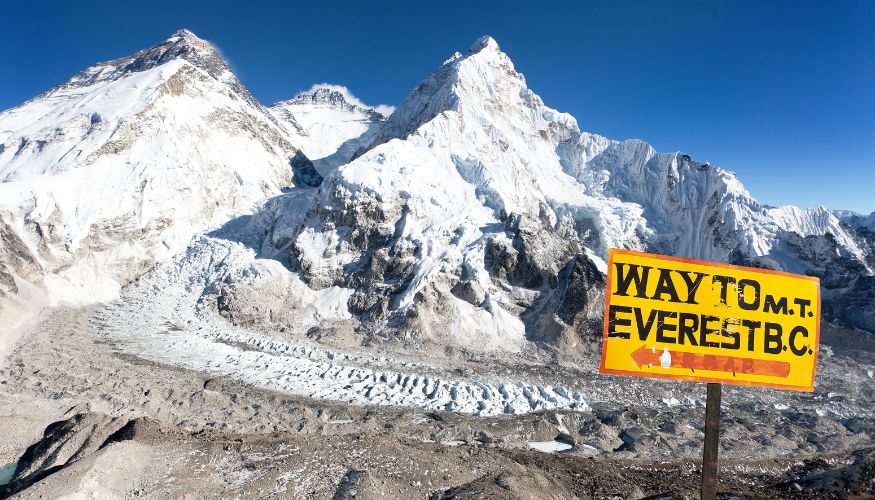
This cultural-linguistic divide persists today. China officially recognizes Qomolangma on maps and documents. Nepal uses Sagarmatha in all government communications. International media, mountaineering organizations, and tourism industries default to “Mount Everest.” Yet there’s a growing movement among climbers, conservationists, and cultural advocates to reclaim the indigenous names—not as political statements, but as acknowledgments of the mountain’s pre-colonial existence and ongoing sacred status.
Understanding Chomolungma means recognizing that altitude measurements and summit records tell only a fraction of the story. The mountain exists simultaneously as a geological superlative, a pilgrimage destination, a border landmark, a UNESCO World Heritage consideration, a climate change indicator, and a symbol of human ambition. For Tibetan Buddhists and Sherpa communities, it remains what it has always been: a presence that commands reverence, not conquest.
The choice of what to call this mountain matters. “Everest” centers on Western exploration history. “Chomolungma” or “Sagarmatha” center the people for whom this mountain has always been home, deity, and identity. As global consciousness shifts toward decolonization and cultural preservation, these original names are being restored to their rightful prominence—reminding us that the world’s highest peak existed, was named, and was sacred long before it became a bucket-list destination.
Everest Chomolungma: Meaning, Name Origin, and Cultural Significance
Chomolungma (also spelled Qomolangma) is the Tibetan name for Mount Everest, the highest mountain in the world. Long before Western explorers named it “Everest,” local Himalayan cultures revered the peak as a sacred mountain.
What Does Chomolungma Mean?
- Cho/Qo: Goddess
- Mo: Mother
- Lungma: World or Earth
Chomolungma is commonly translated as “Goddess Mother of the World” or “Holy Mother”.
This name reflects deep spiritual respect rather than conquest or measurement.
Chomolungma vs Mount Everest
| Name | Origin | Meaning |
|---|---|---|
| Chomolungma | Tibetan | Goddess Mother of the World |
| Sagarmatha | Nepali | Forehead of the Sky |
| Mount Everest | British | Named after Sir George Everest |
All three names refer to the same mountain, viewed through different cultural lenses.
Why the Name “Everest” Was Given
- Assigned in 1865 by British surveyors
- Named after Sir George Everest, the former Surveyor General of India
- He never saw the mountain himself
Today, many people prefer using Chomolungma or Sagarmatha to acknowledge local heritage.
Cultural & Spiritual Importance of Chomolungma
- Considered a living deity in Tibetan Buddhism
- Traditionally climbed only after rituals and blessings
- Symbol of balance between humans and nature
For local communities, the mountain is not a challenge to conquer, but a presence to respect.
Chomolungma in Modern Times
- China officially uses Qomolangma
- Nepal uses Sagarmatha
- Internationally known as Mount Everest
- Appears in UNESCO heritage discussions, climate research, and cultural preservation debates
Chomolungma and Mountaineering
- The north route (Tibet side) is often referred to as the Chomolungma route
- Climbers today increasingly acknowledge the mountain’s original name
- Respect for local beliefs is now part of responsible climbing ethics
Quick Facts
- Height: 8,848.86 meters (29,031.7 ft)
- Location: Nepal–Tibet (China) border
- Local names: Chomolungma, Sagarmatha
- Global name: Mount Everest
Final Perspective
Calling Everest Chomolungma reminds us that the mountain existed—and was sacred—long before it became a global symbol of adventure. The name reflects reverence, not ambition, and adds depth to how we understand the world’s highest peak.

Leave a Reply