- 3
- 1
- 1
- 1
Annapurna Region
The Annapurna Region is one of Nepal’s most diverse and rewarding Himalayan destinations. Known for its dramatic mountain scenery, rich culture, varied trekking routes, and accessible peaks, the Annapurna Region offers everything from short scenic treks to challenging high-altitude adventures and mountaineering expeditions.
Located in central Nepal and protected under the Annapurna Conservation Area (ACA), this region attracts trekkers, climbers, and explorers from all over the world. Whether you are a first-time trekker or an experienced mountaineer, the Annapurna Region has an adventure designed for you.
Where Is the Annapurna Region Located?
The Annapurna Region lies in north-central Nepal, mainly within the districts of Kaski, Myagdi, Manang, Mustang, and Lamjung.
The gateway city is Pokhara, a beautiful lakeside town that serves as the starting point for most treks.
The region is home to the Annapurna Massif, which includes Annapurna I (8,091 m)—the 10th highest mountain in the world—along with several other peaks over 7,000 meters.
Why Choose the Annapurna Region?
The Annapurna Region stands out because of its diversity:
- Snow-capped Himalayan giants
- Deep river valleys and lush forests
- Traditional Gurung, Magar, Thakali, and Tibetan-influenced villages
- Subtropical landscapes to alpine terrain
- Wide choice of trekking and climbing options
This variety makes the region suitable for short holidays, family treks, adventure travel, and serious mountaineering.
Trekking in the Annapurna Region
Trekking is the most popular activity in the Annapurna Region. Trails are well-established, accommodation is available in teahouses, and routes range from easy to highly challenging.
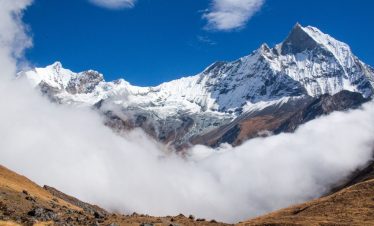
Annapurna Base Camp Trek (ABC Trek)
One of the most famous treks in Nepal, leading to the natural amphitheater of Annapurna Base Camp at 4,130 m. Ideal for trekkers seeking close-up mountain views without technical climbing.
Annapurna Circuit Trek
A classic long-distance trek that circles the Annapurna Massif and crosses Thorong La Pass (5,416 m). Known for its dramatic landscape changes and cultural diversity.
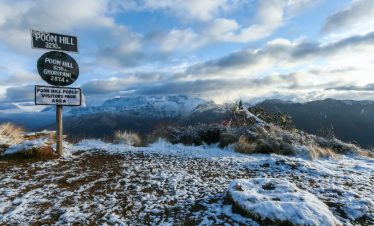
Ghorepani Poon Hill Trek
A short and easy trek, perfect for beginners and families. Famous for sunrise views over Annapurna and Dhaulagiri ranges.
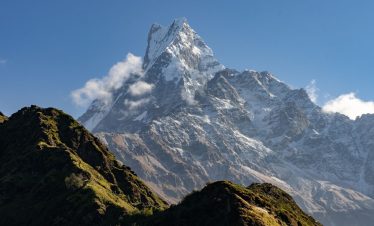
Mardi Himal Trek
A quieter and less crowded route offering stunning ridge walks and close views of Machhapuchhre (Fishtail).
Khopra Danda Trek
An off-the-beaten-path trek with panoramic views and community-run lodges.
Tilicho Lake Trek
Leads to one of the highest lakes in the world, often combined with the Annapurna Circuit.
Peak Climbing in the Annapurna Region
The Annapurna Region is also famous for non-technical and semi-technical trekking peaks, making it ideal for climbers who want to step into mountaineering.
Pisang Peak (6,091 m)
A popular introductory climbing peak, often combined with the Annapurna Circuit.
Chulu East & Chulu West (6,584 m / 6,419 m)
Perfect for climbers seeking high-altitude experience with breathtaking views.
Tent Peak (Tharpu Chuli – 5,663 m)
Located near Annapurna Base Camp, suitable for beginners with basic climbing skills.
Hiunchuli Peak
A more technical peak for experienced climbers.
Peak climbing in Annapurna requires climbing permits, proper acclimatization, experienced guides, and safety equipment.
Mountaineering Expeditions in the Annapurna Region
For experienced mountaineers, the Annapurna Region offers some of the most challenging expeditions in the Himalayas.
- Annapurna I (8,091 m)
- Annapurna II, III, IV
- Annapurna South
- Gangapurna
- Machhapuchhre (restricted, not climbable)
Annapurna expeditions are considered technically demanding and suitable only for climbers with prior 7,000–8,000 m experience.
Culture & Local Communities of Annapurna
The Annapurna Region is culturally rich and diverse. Treks pass through villages inhabited by:
- Gurung & Magar communities (lower regions)
- Thakali people (Mustang & Kali Gandaki Valley)
- Tibetan-influenced communities (Upper Manang & Mustang)
Traditional stone houses, prayer flags, monasteries, chortens, and ancient trade routes make trekking here a cultural journey as well as a natural one.
Annapurna Conservation Area (ACA)
The Annapurna Region is protected under the Annapurna Conservation Area, Nepal’s largest conservation area.
Highlights of ACA:
- Rich biodiversity (rhododendron forests, wildlife, birds)
- Sustainable tourism practices
- Community-based lodges
- Conservation of culture and environment
All trekkers require:
- Annapurna Conservation Area Permit (ACAP)
- TIMS Card
Best Time to Visit the Annapurna Region
Spring (March – May)
- Clear skies
- Blooming rhododendrons
- Best for trekking and peak climbing
Autumn (September – November)
- Stable weather
- Excellent mountain views
- Peak trekking season
Winter (December – February)
- Fewer crowds
- Cold at high altitude
- Suitable for lower-elevation treks
Monsoon (June – August)
- Green landscapes
- Fewer trekkers
- Some routes affected by rain
Accommodation & Food in Annapurna
Most treks use teahouse accommodation, offering:
- Private or shared rooms
- Hot meals (dal bhat, noodles, soups, pasta)
- Warm hospitality from local families
In cities like Pokhara and Kathmandu, trekkers stay in hotels ranging from budget to luxury.
Why Trek Annapurna with a Local Agency?
Choosing a local Nepal-based trekking agency ensures:
- Licensed and experienced guides
- Fair treatment of porters
- Flexible itineraries
- Better safety and acclimatization
- Direct support to local communities
As a local operator, we design custom Annapurna treks, climbs, and expeditions based on your experience, time, and interests.
Annapurna Region – A Destination for Every Adventure
From peaceful village walks to high-altitude passes, from beginner-friendly treks to serious Himalayan expeditions, the Annapurna Region truly offers something for everyone.
Whether your goal is trekking, peak climbing, cultural exploration, or mountaineering, the Annapurna Region remains one of Nepal’s most complete adventure destinations.